
 After the latest announcements of new backpacks, here is another field test – the Osprey Manta 30. The Manta comes with a specially developed hydration system and many other practical details intended to increase comfort while hiking – does it succeed?
Features and equipment of the Osprey Manta 30
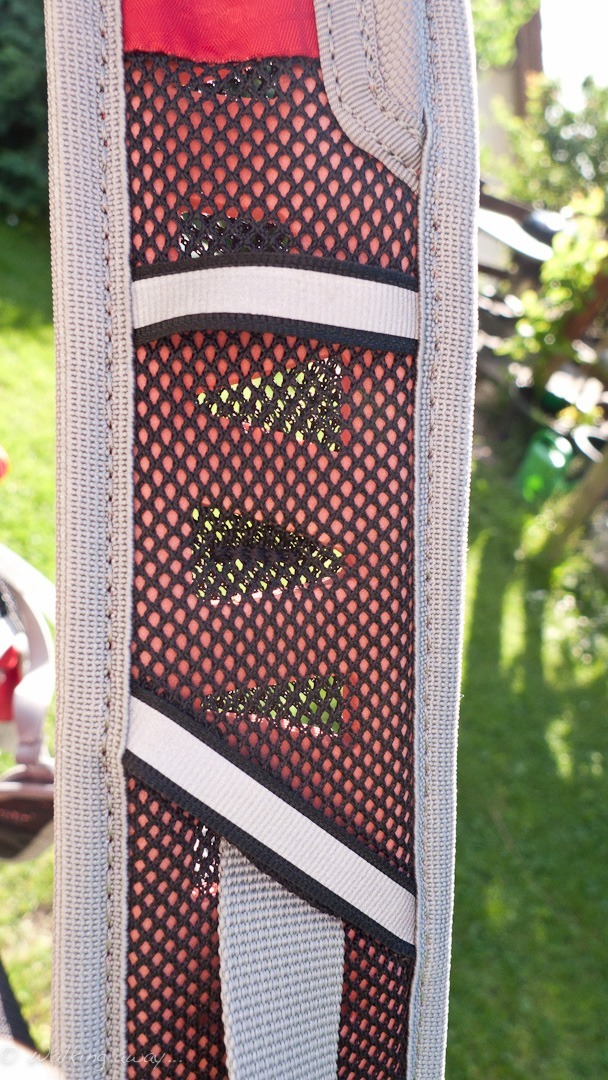 As on the Osprey Exos, the shoulder straps are made of a kind of fabric-edged foam. It is quite soft and has holes/slits in it. This design is meant to save weight and at the same time ensure good ventilation under the shoulder straps.
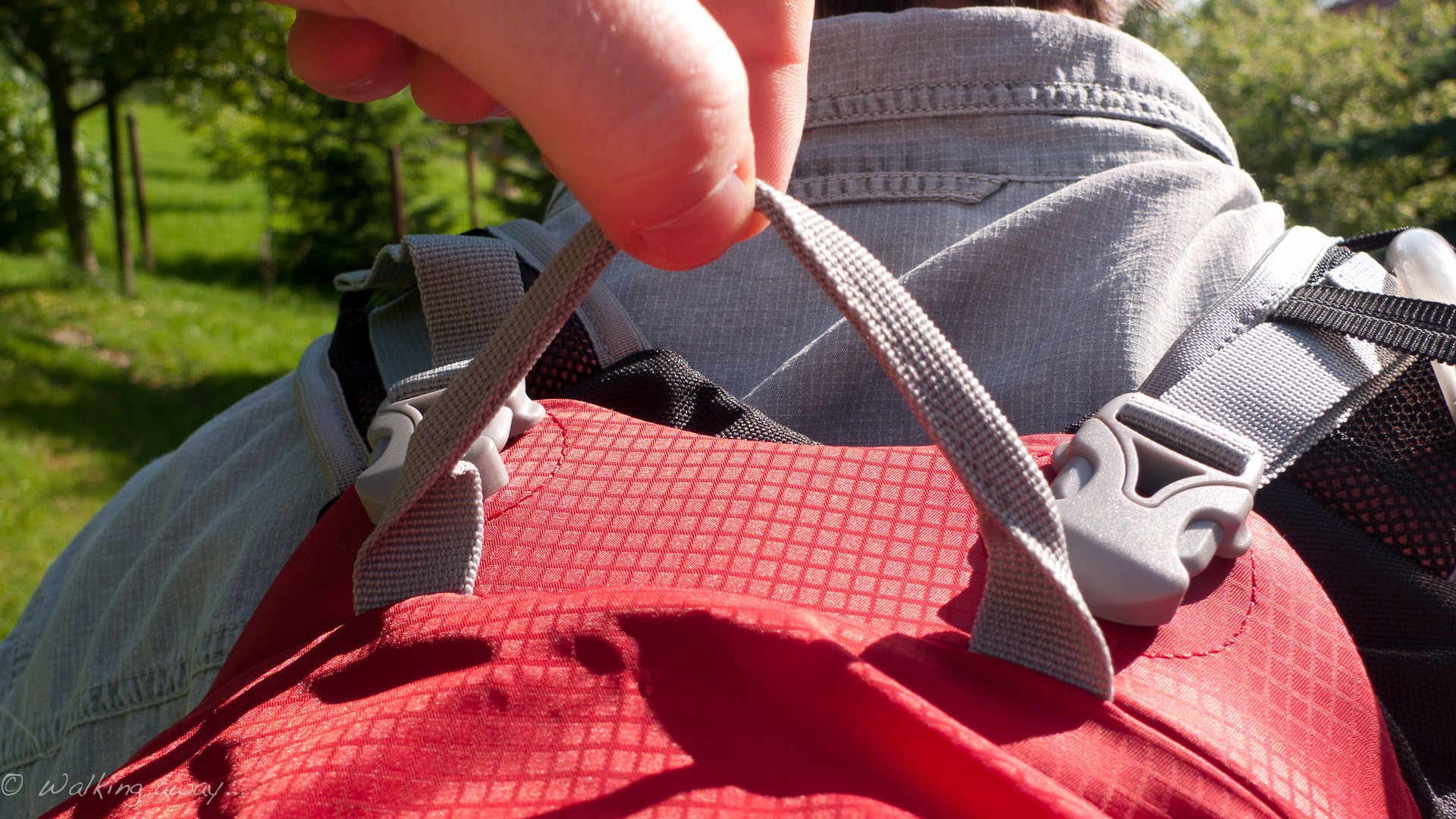
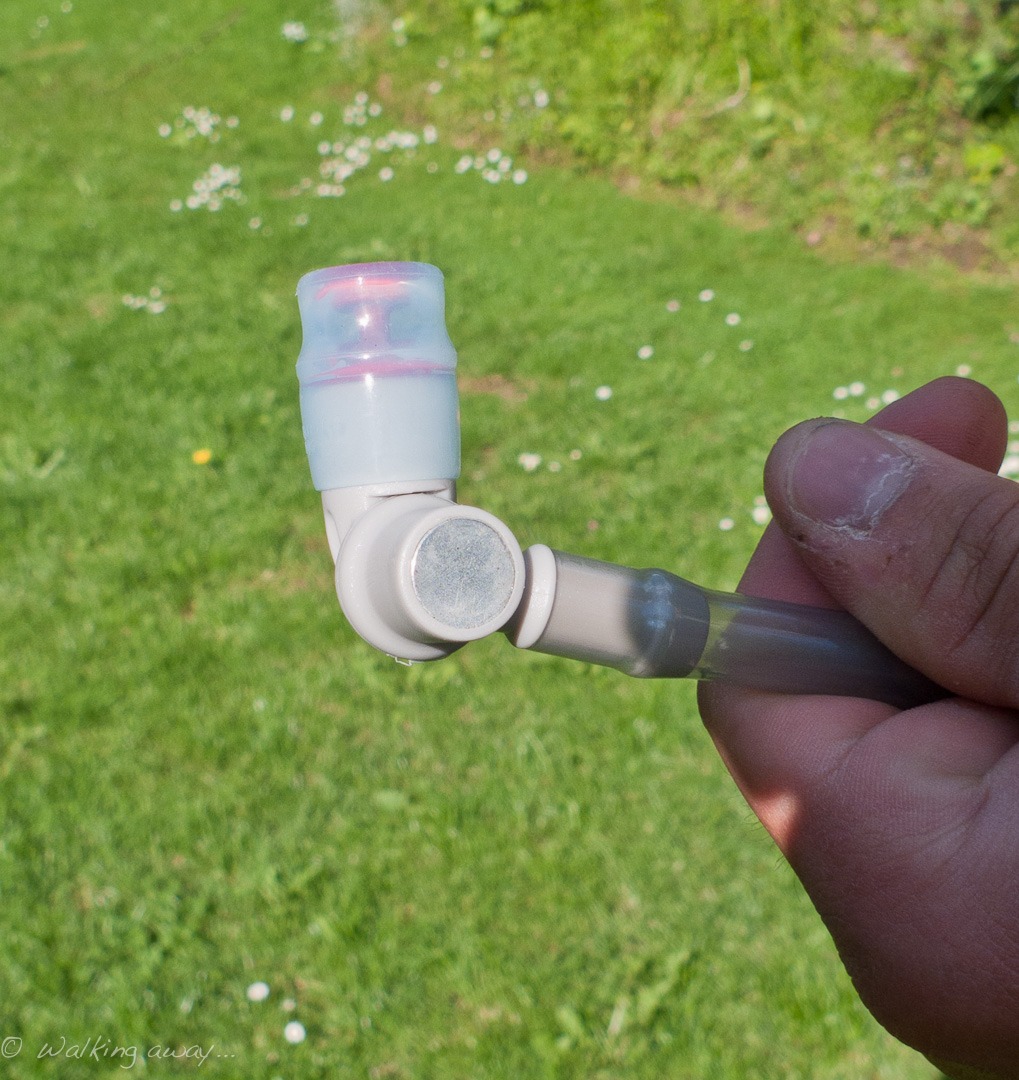
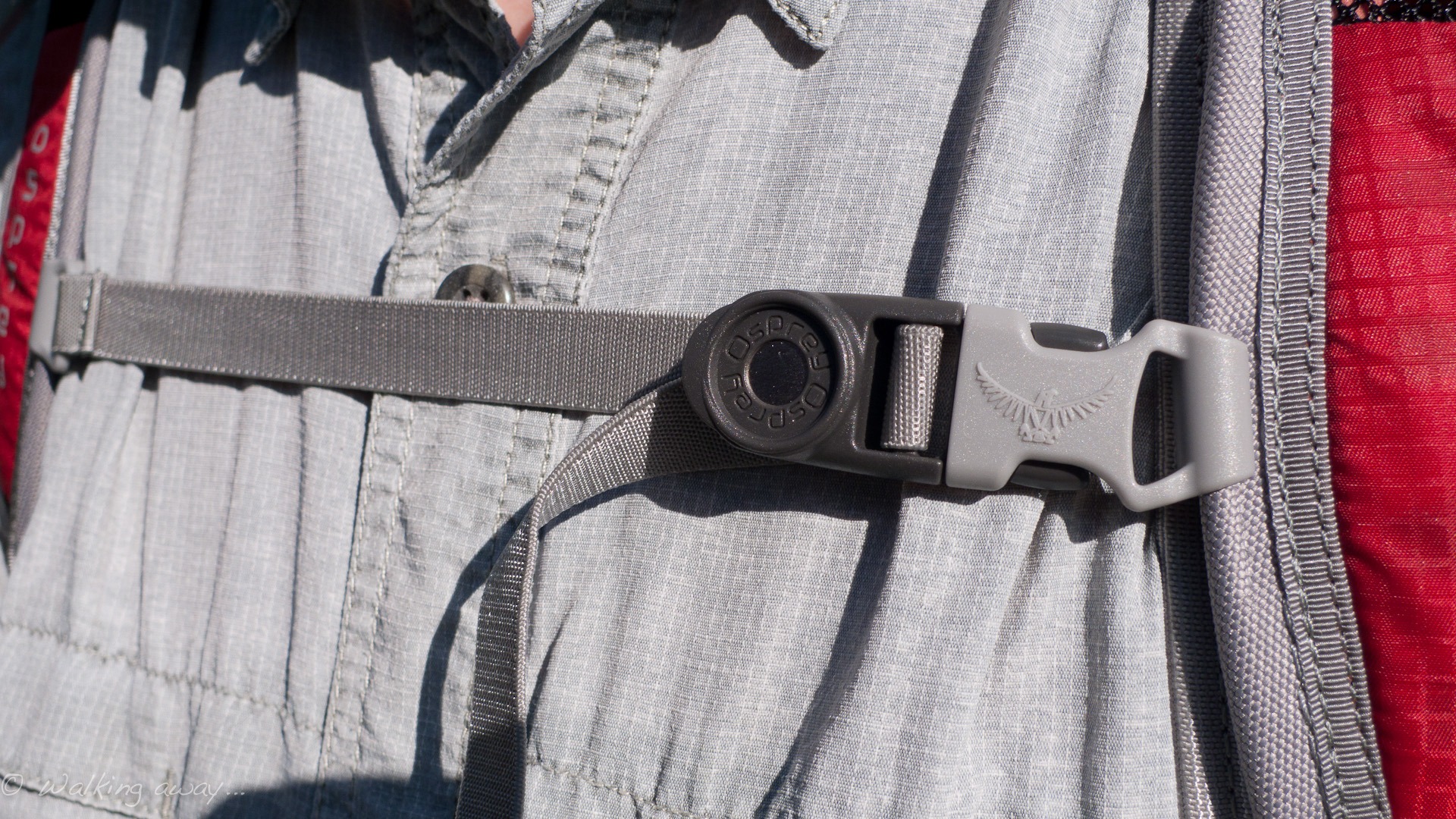 The sternum strap can be adjusted continuously in height on both sides. To do this, you just slide the ends up or down to suit your needs. In addition, at the open end there is a small magnet to which the hose of the hydration system can be attached.
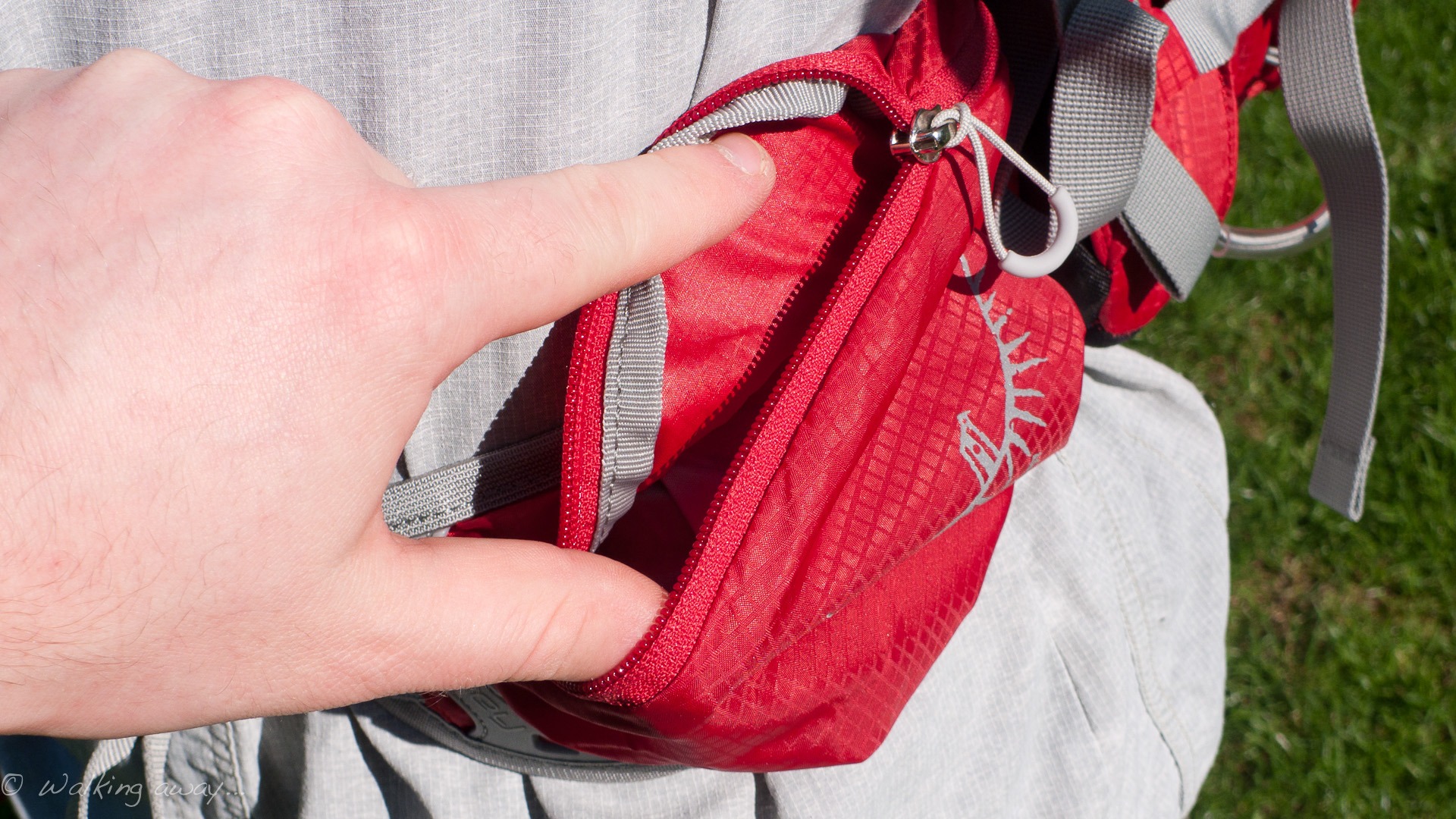 The hip belt is a narrow strap without any padding. This makes it less stiff than on larger backpacks designed for heavier loads, such as the Deuter ACT Lite 40 + 10. To tighten the hip belt, there is an adjustment strap on the left and right.
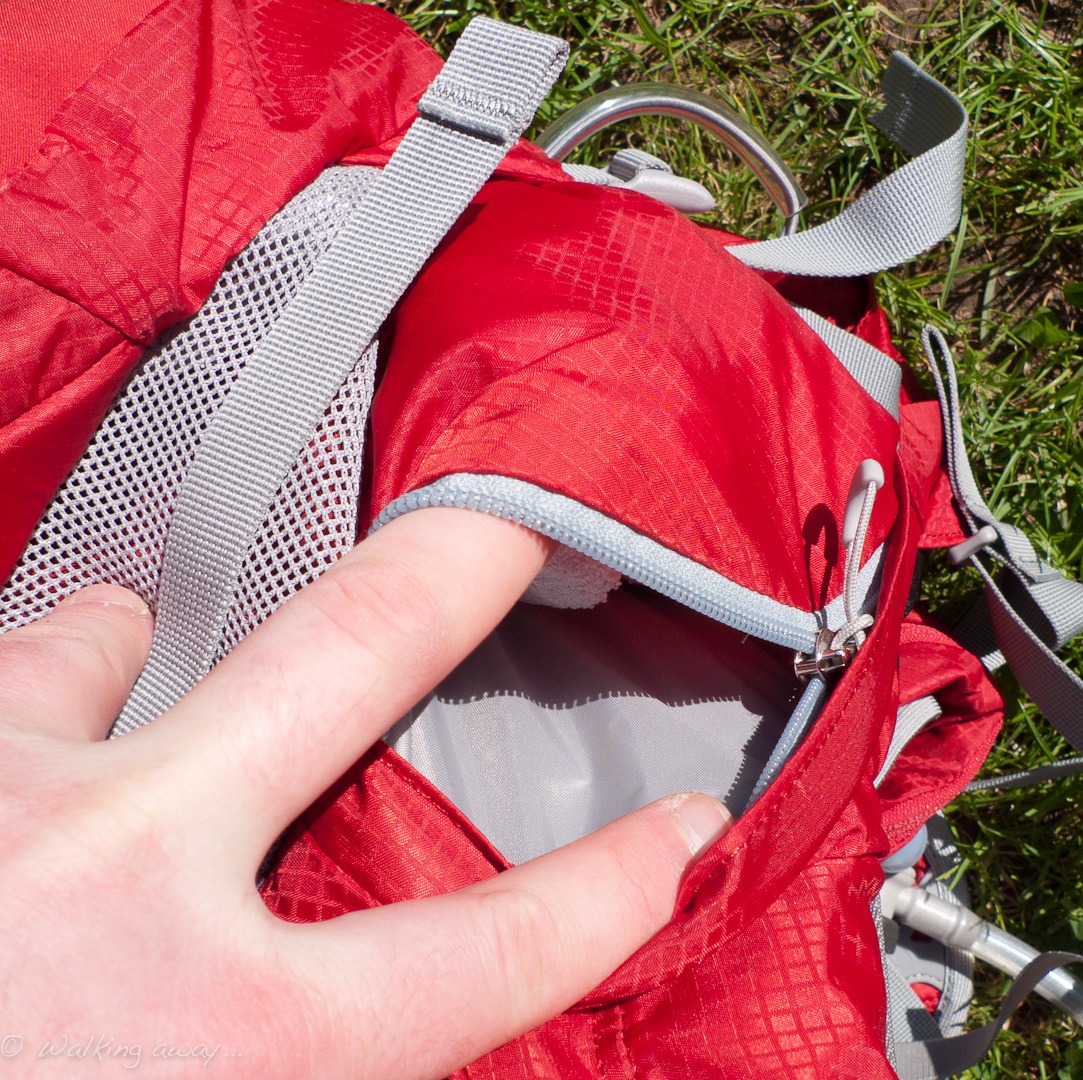
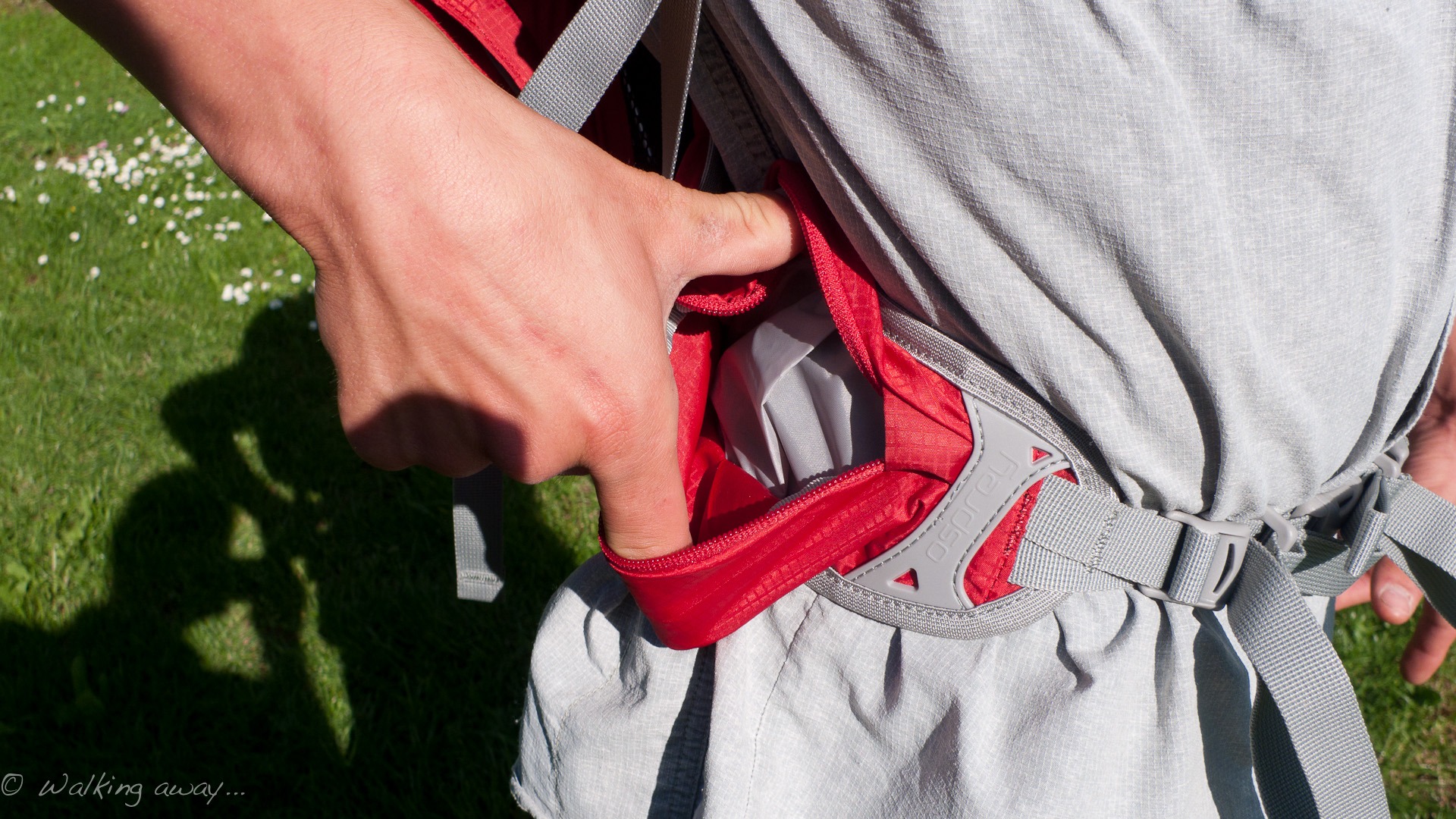
There is a small pocket on each side of the hip belt. Both pockets open and close with a zip. In terms of size, they should be big enough for the odd muesli bar. If you have a small compact camera, it will probably fit in the pockets too.
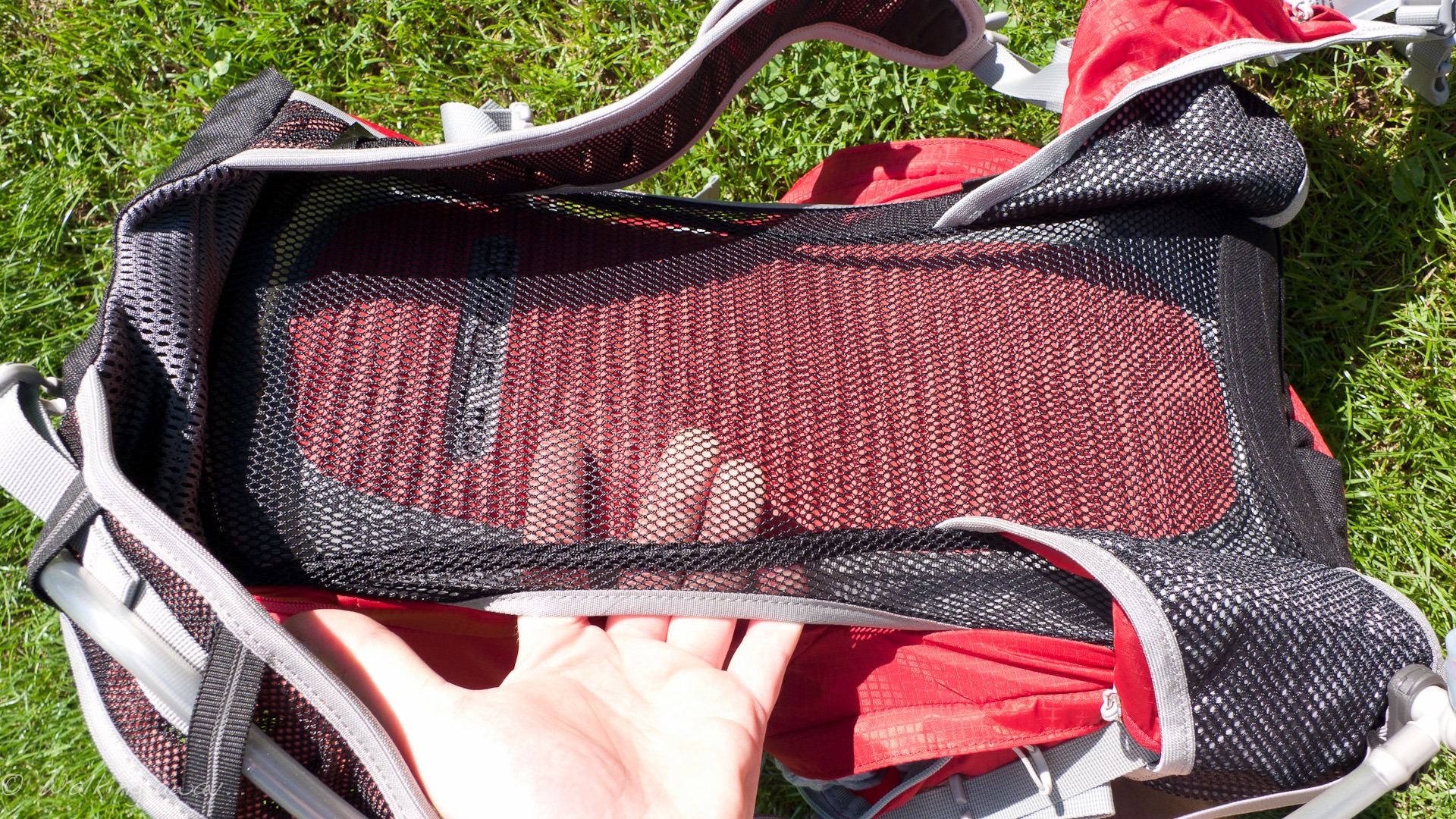
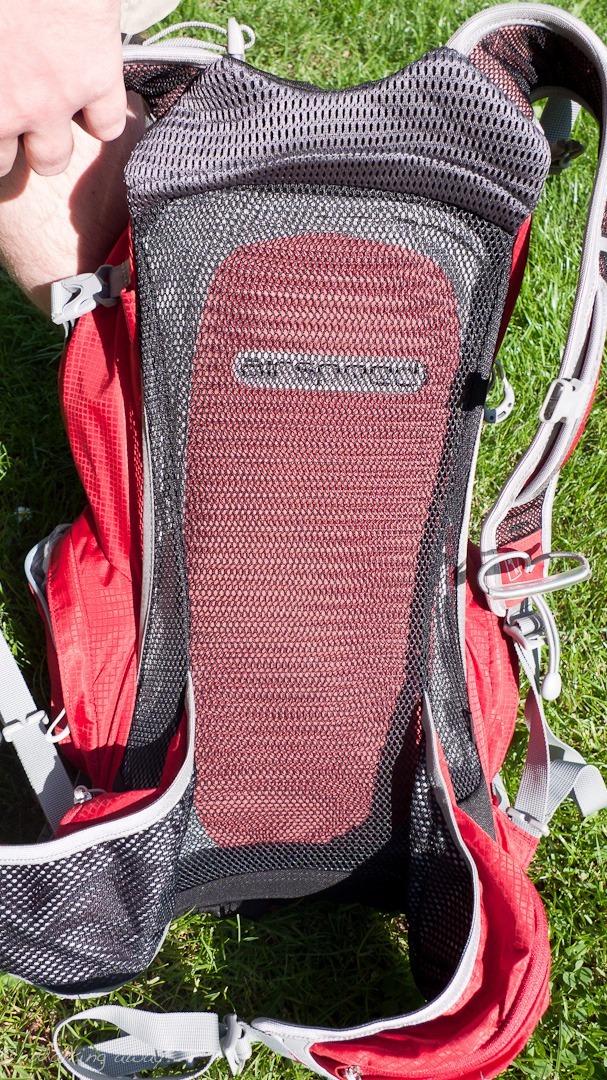 The backpack doesn’t sit directly against your back. The AirSpeed back panel, also used on the Osprey Exos, is a tensioned mesh. This reduces the contact area and provides ventilation for your back.
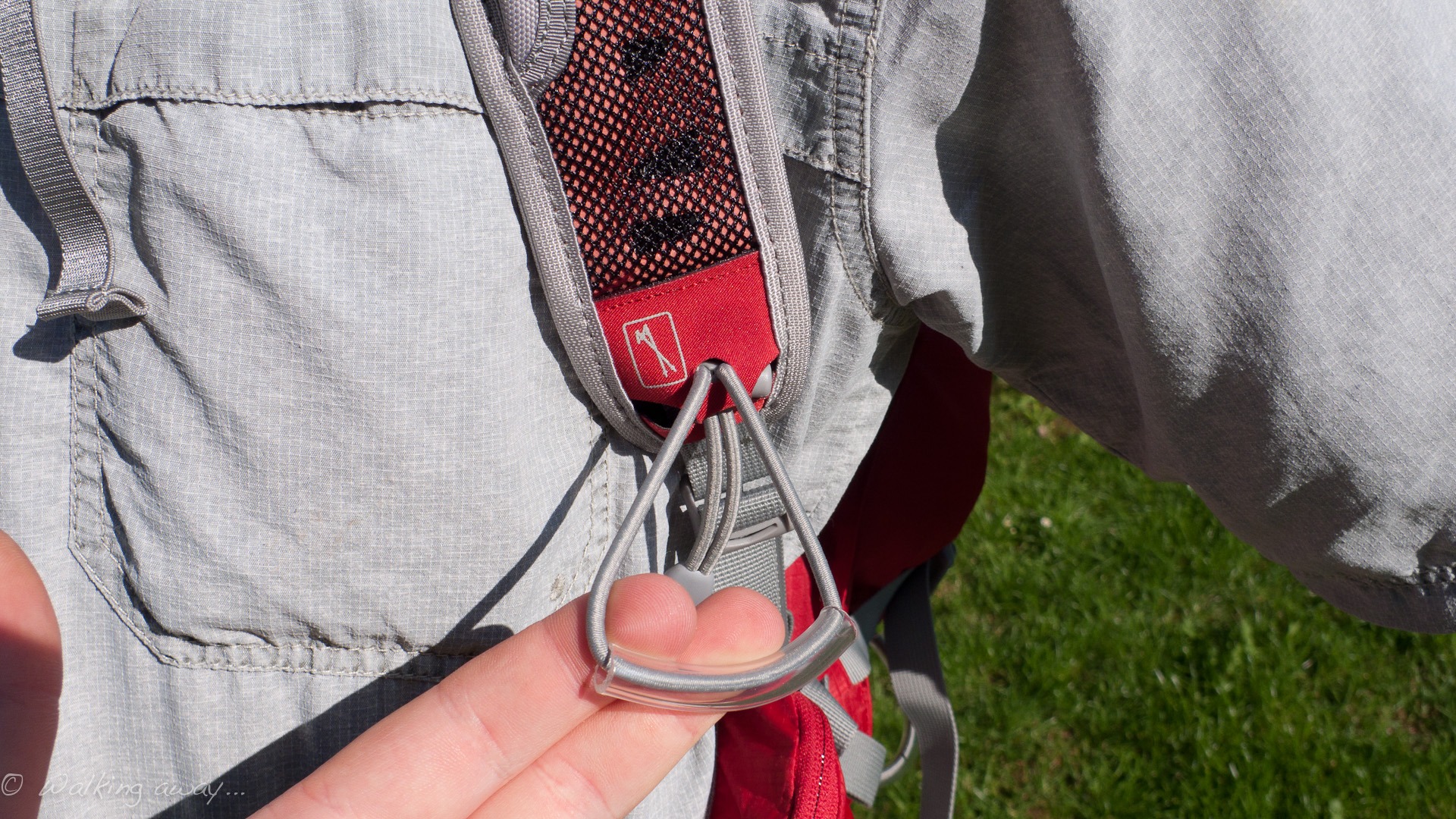
The Manta also has the Stow-on-the-Go™ attachment for trekking poles, which has already proved itself on other Osprey backpacks. It lets you stow your trekking poles on the side of the backpack without having to take it off.
The Manta’s pockets at a glance
The backpack comes with a large number of compartments. We will go through them from front to back:
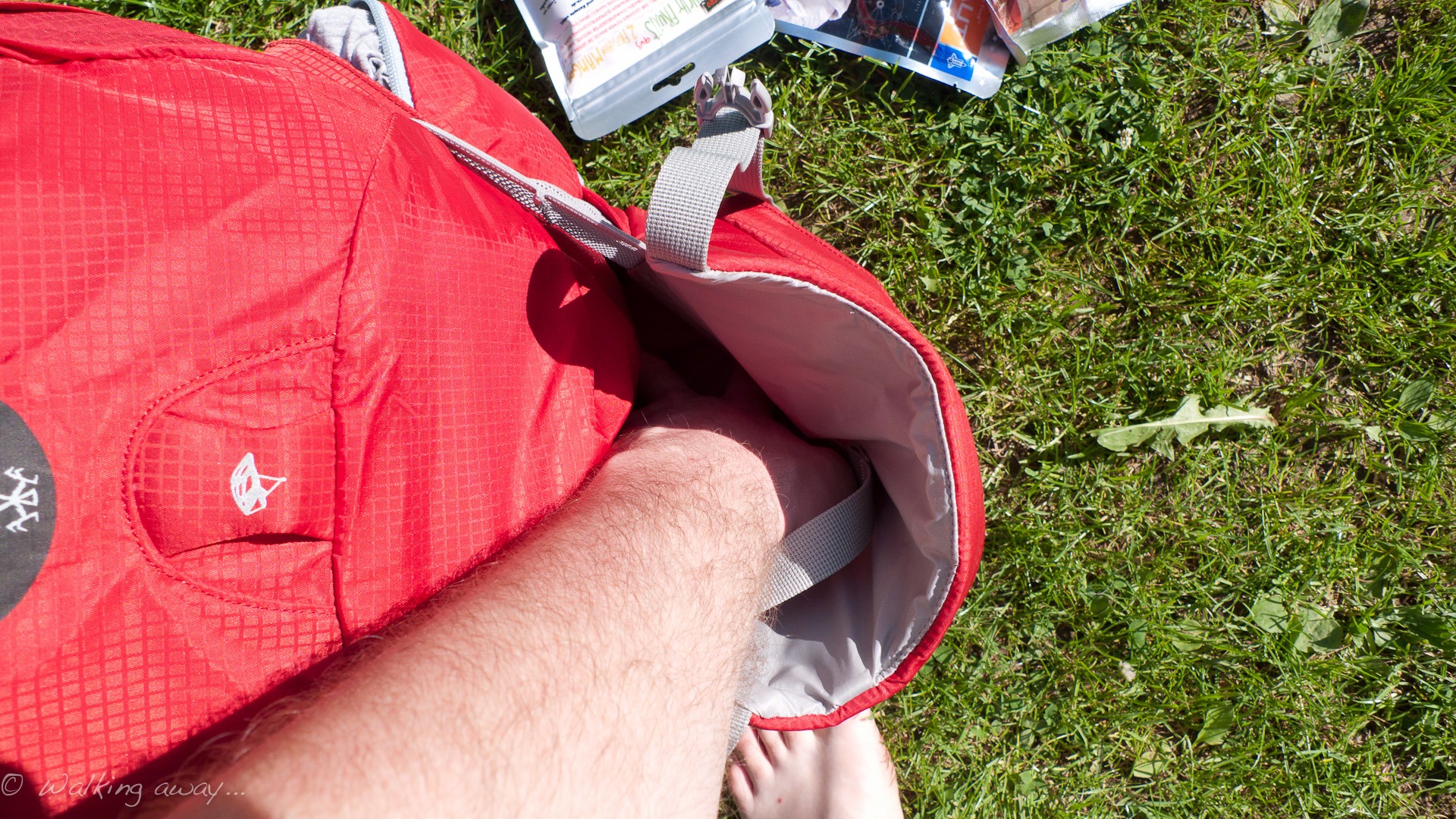
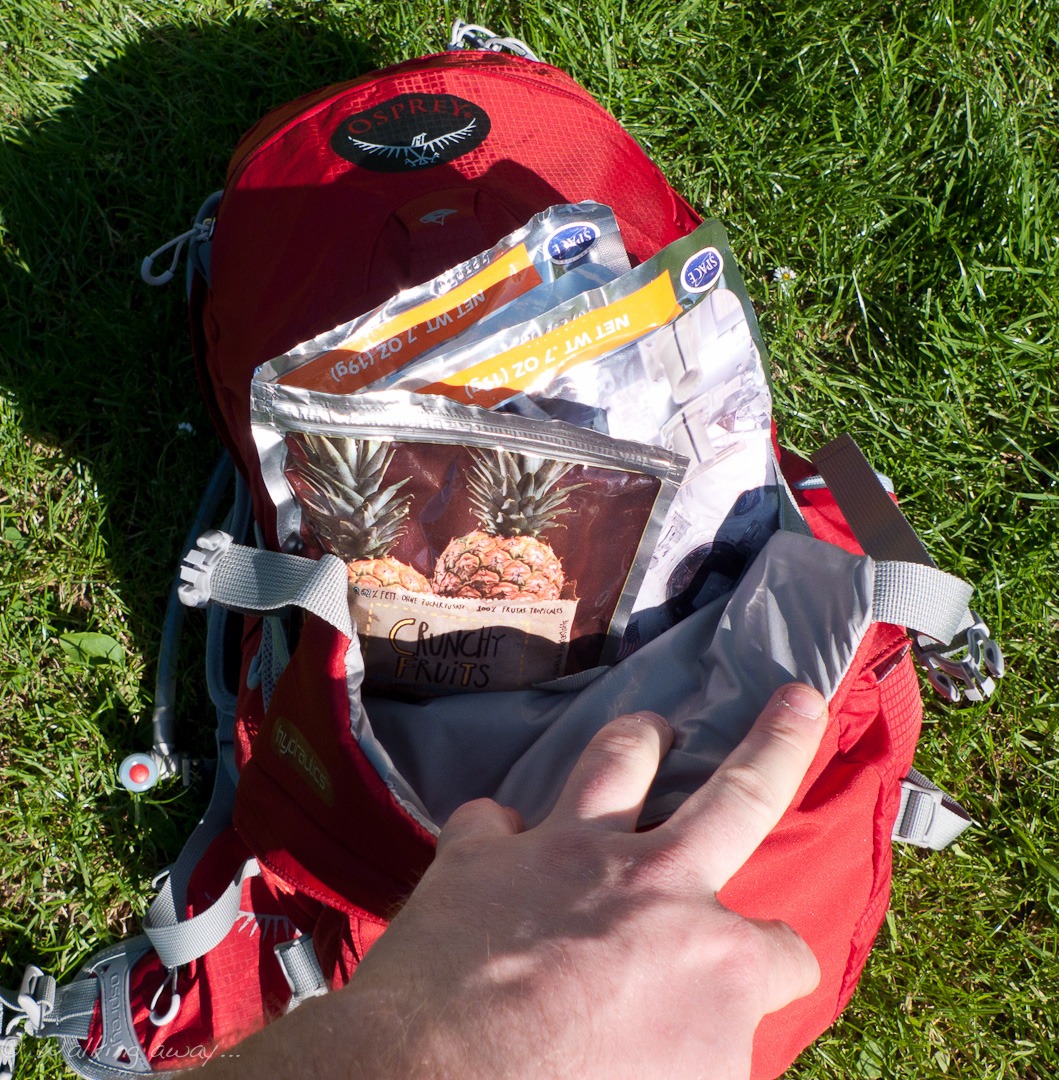
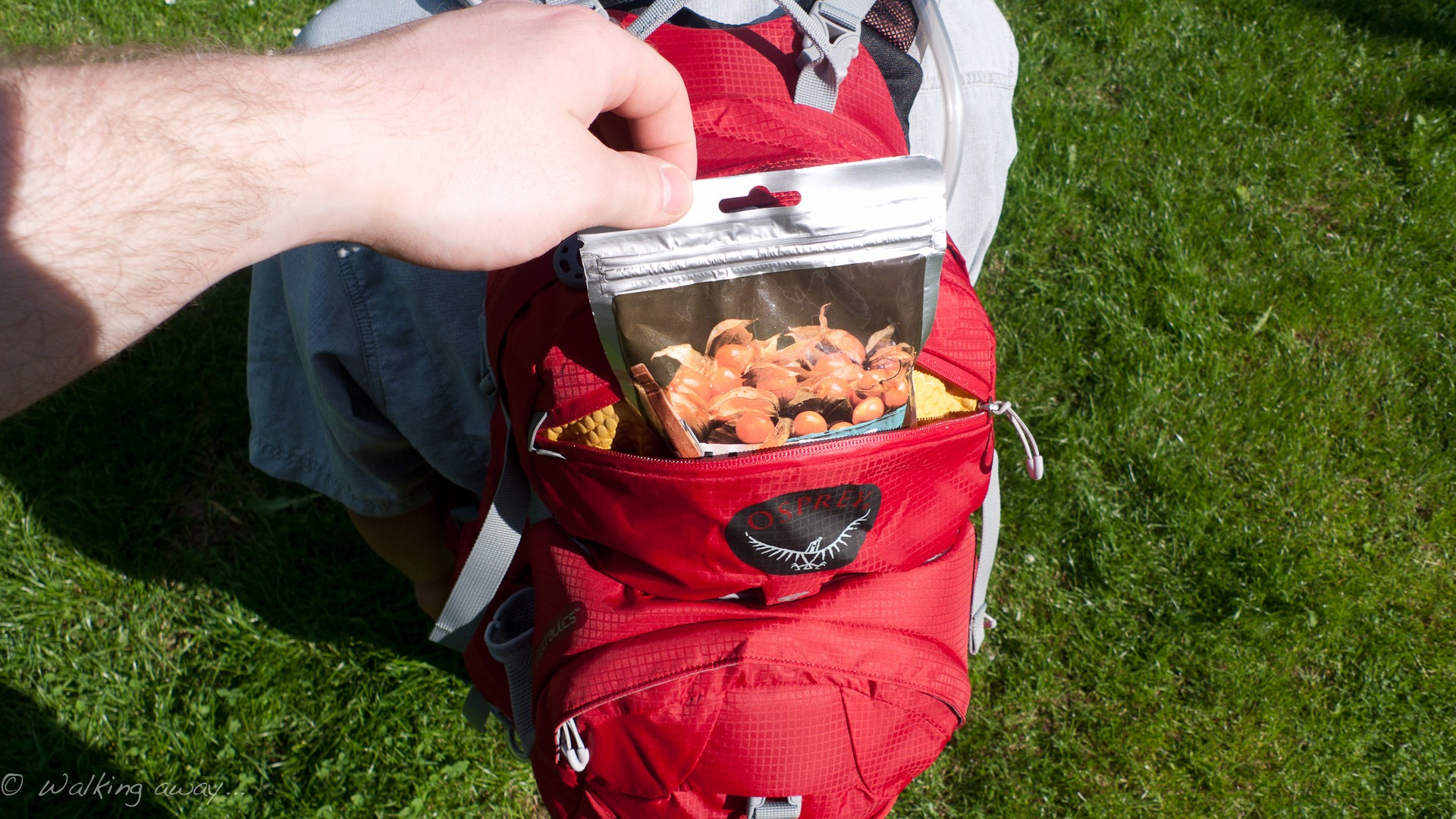
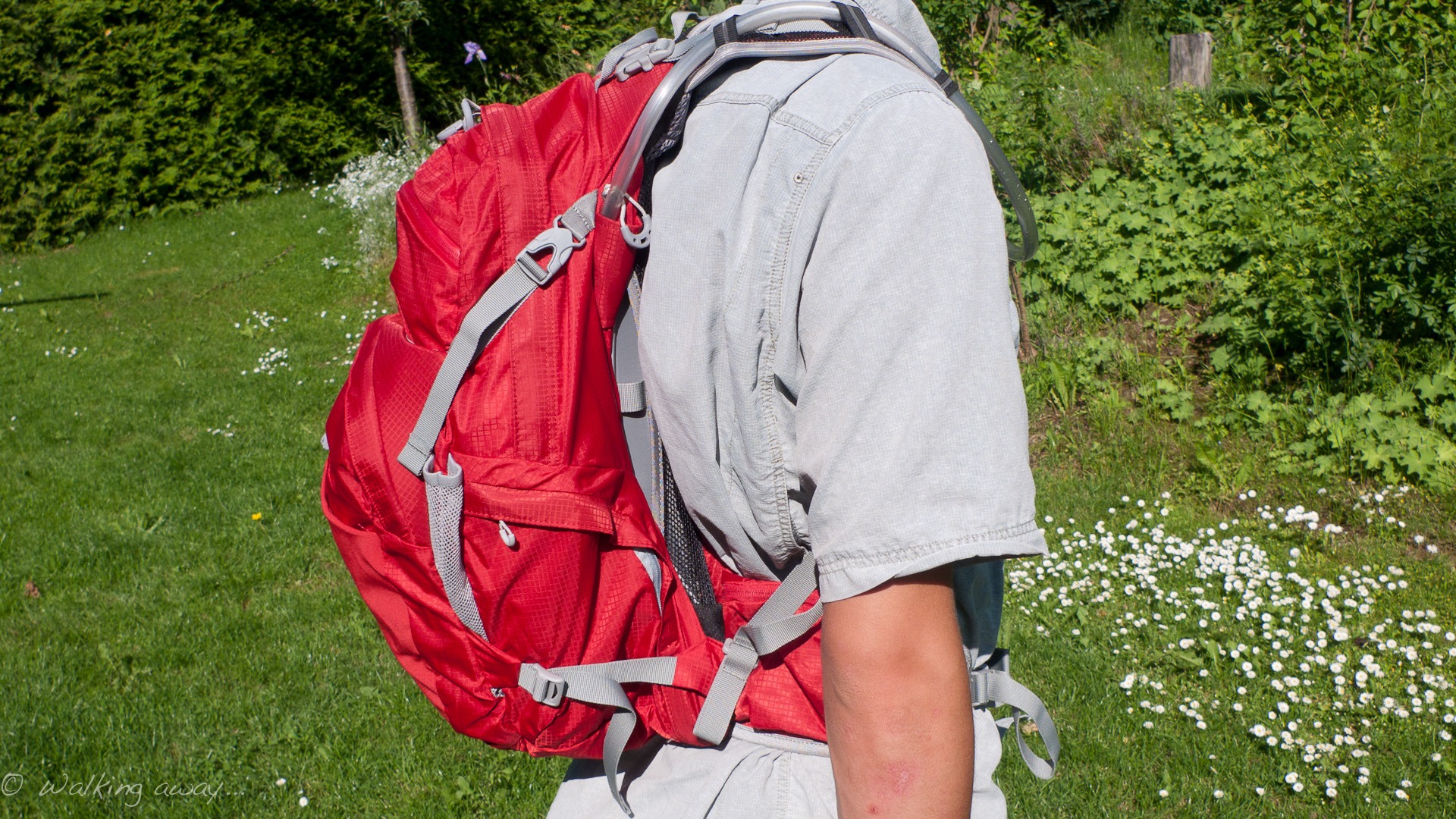
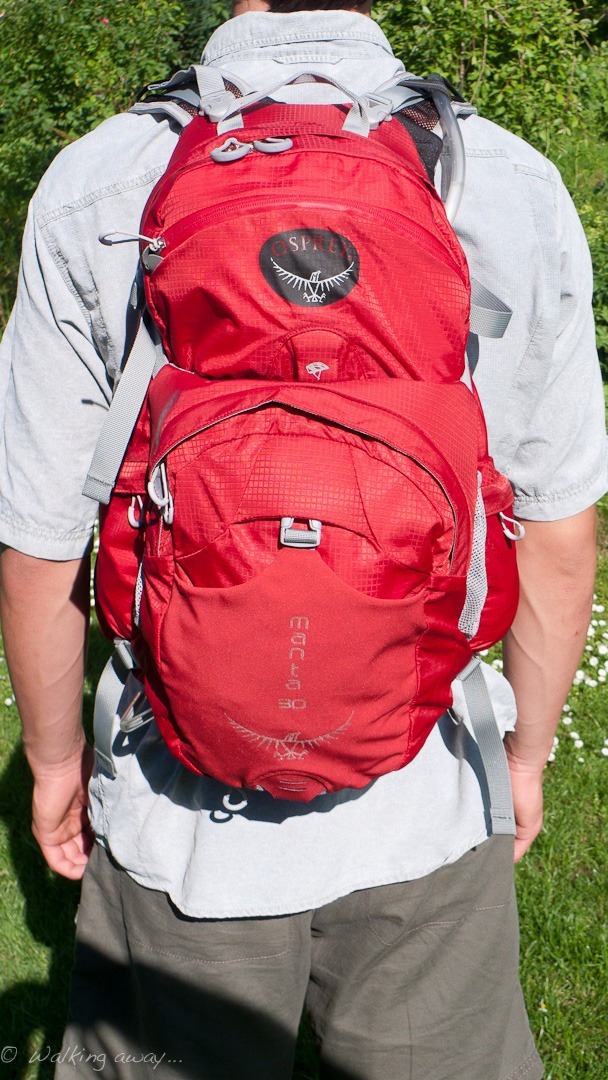 Right at the front there is an open, elastic pocket for small items that need to be quickly to hand. Behind it, opening downwards, is a small compartment for the rain cover supplied as standard. Together with the rain-cover compartment, this pocket is sewn onto the lower main part of the backpack and also lets you stow other small items in the half-open compartment.
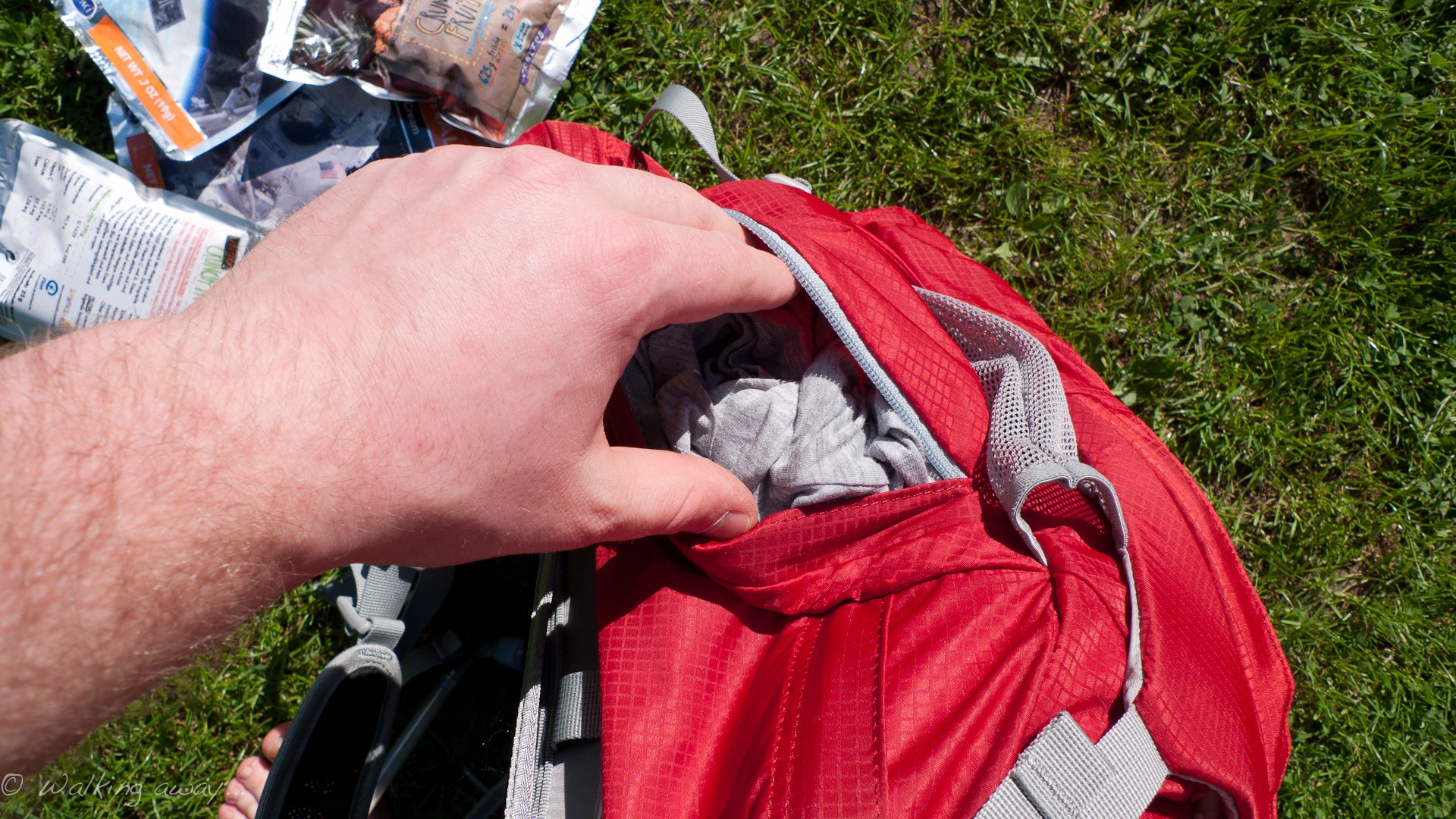
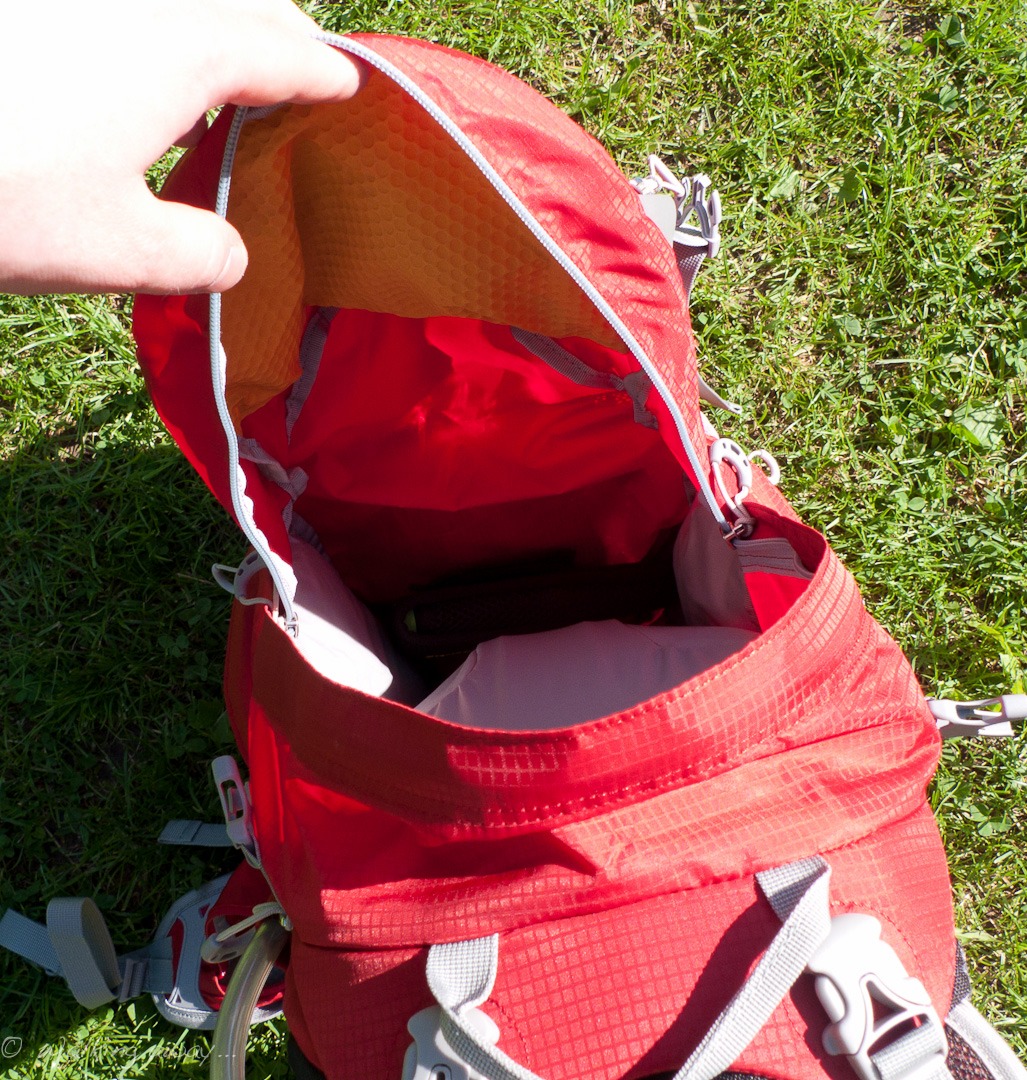
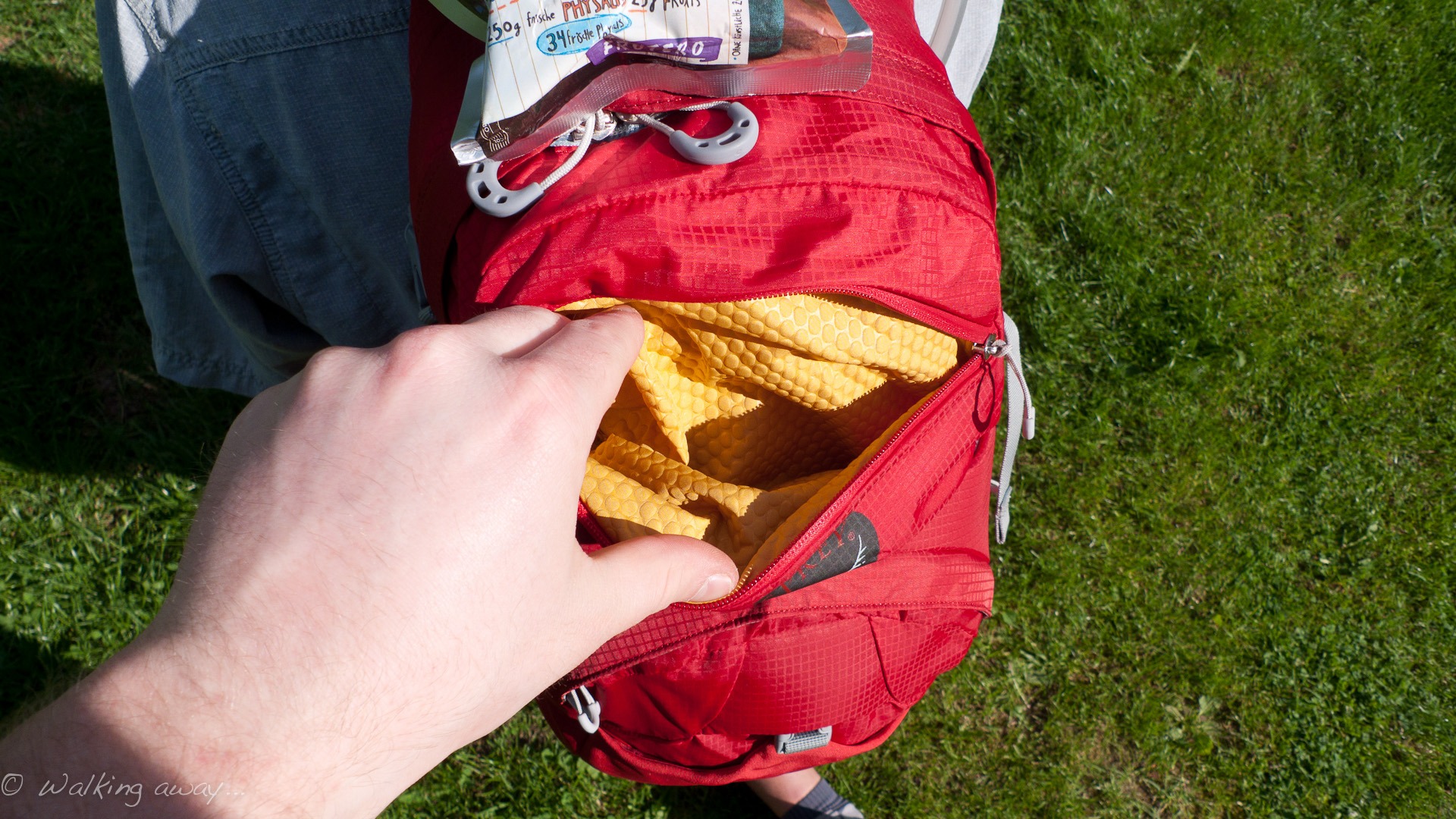 In front of the main compartment there is a smaller compartment made of a special NoScratch material. According to the manufacturer, the material is very soft and easy to clean. There isn’t much to say about the main compartment itself – it has no special attachments or other features. But in many places there are small inner mesh pockets that help keep the backpack organised. There are no bottle pockets or holders.
The HydraForm hydration system
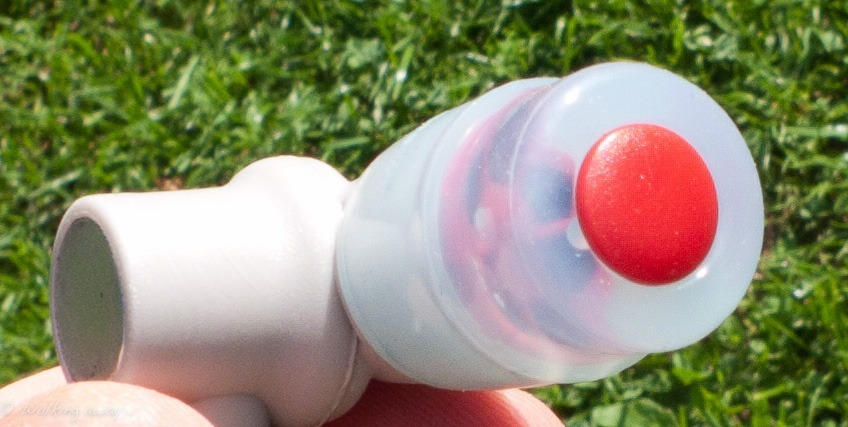
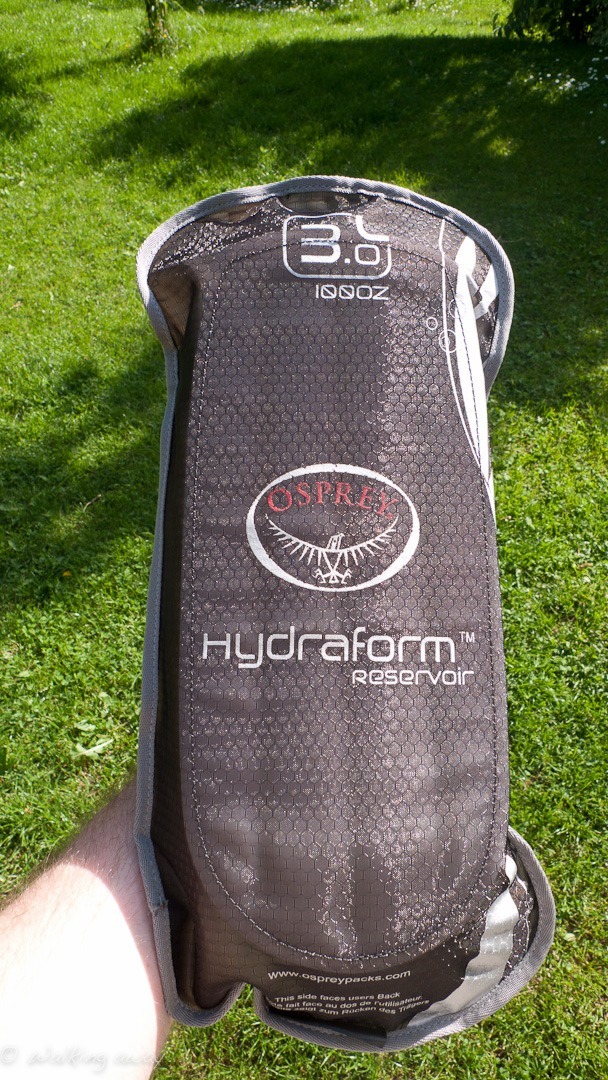
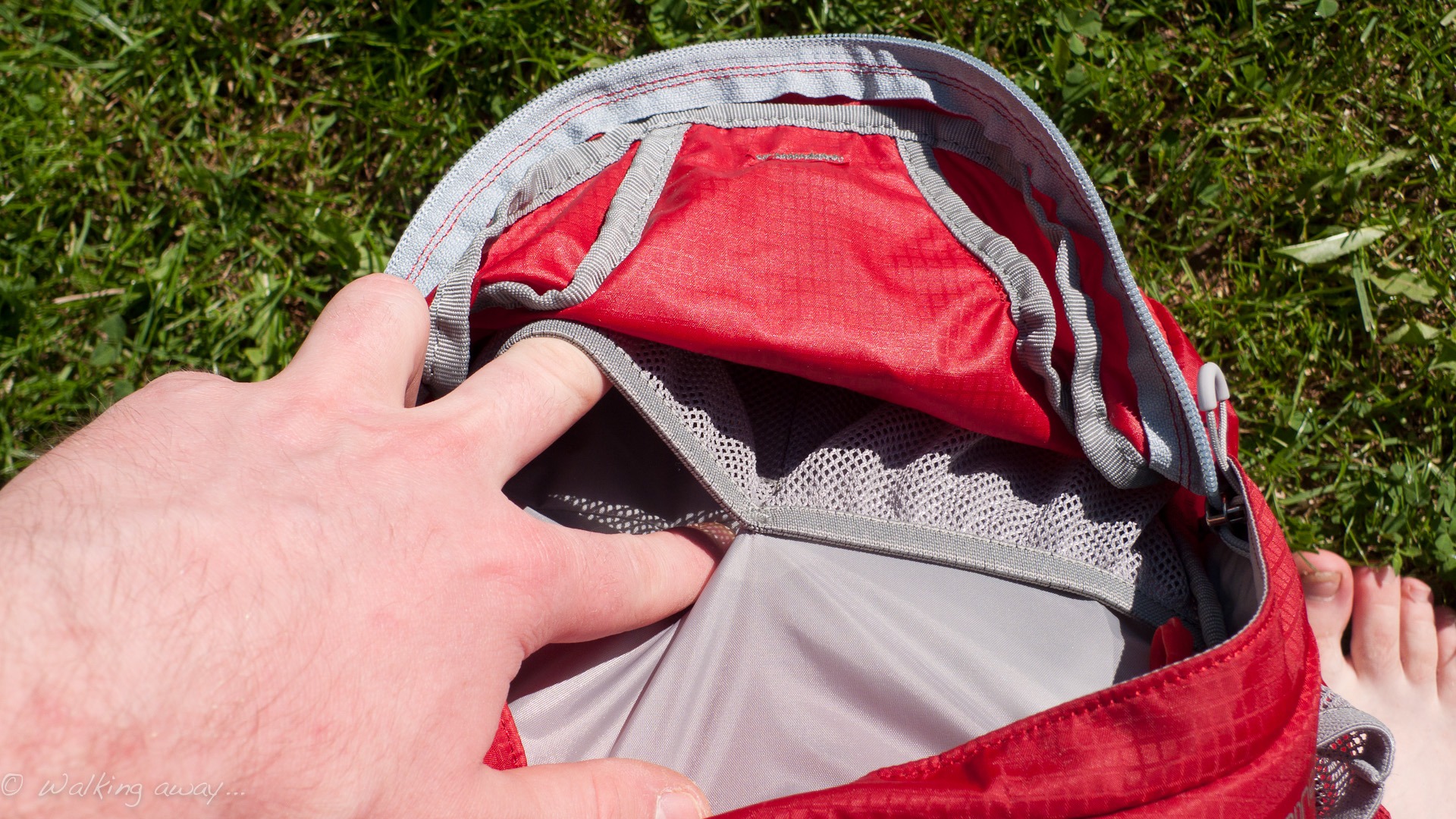
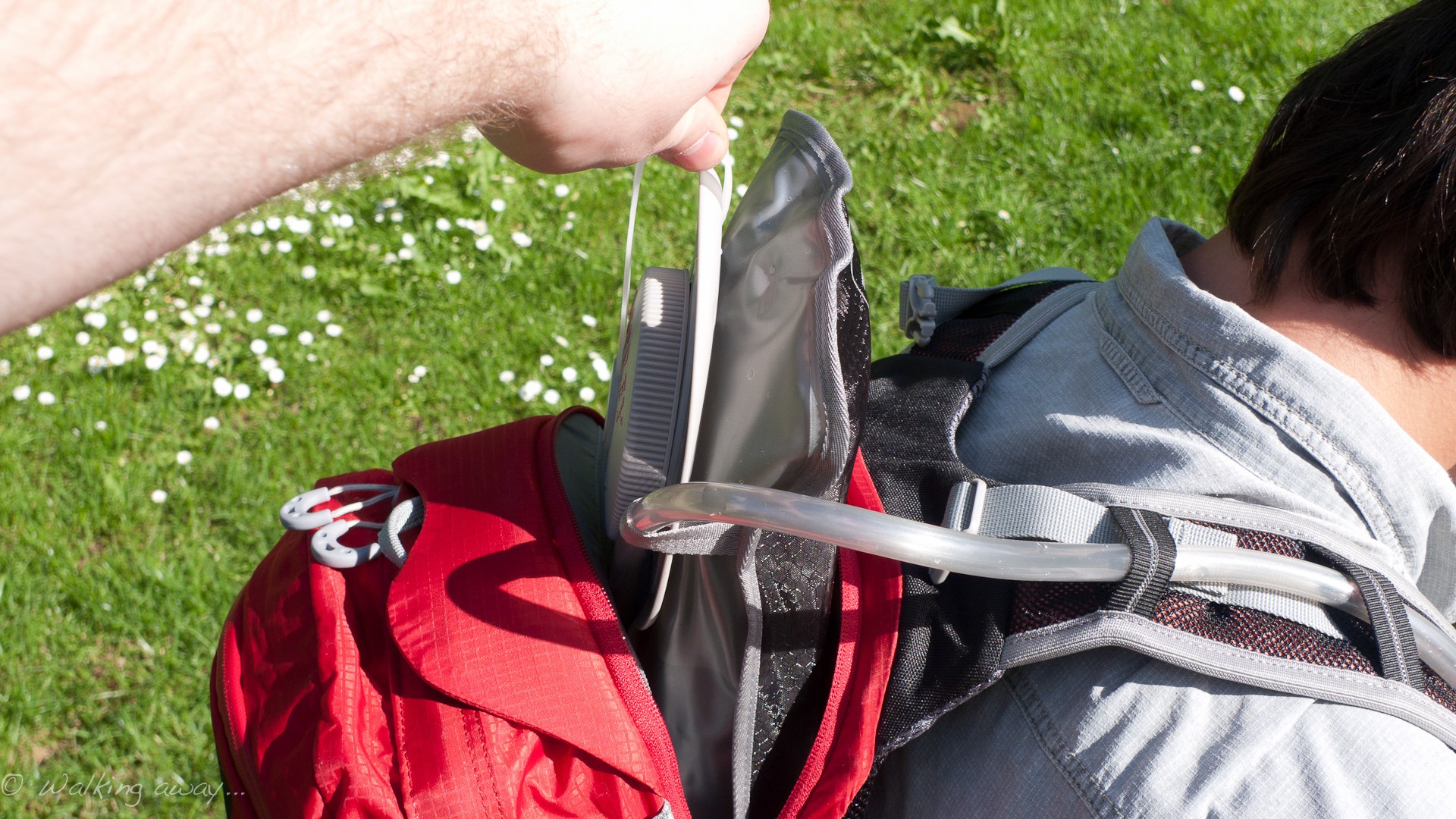
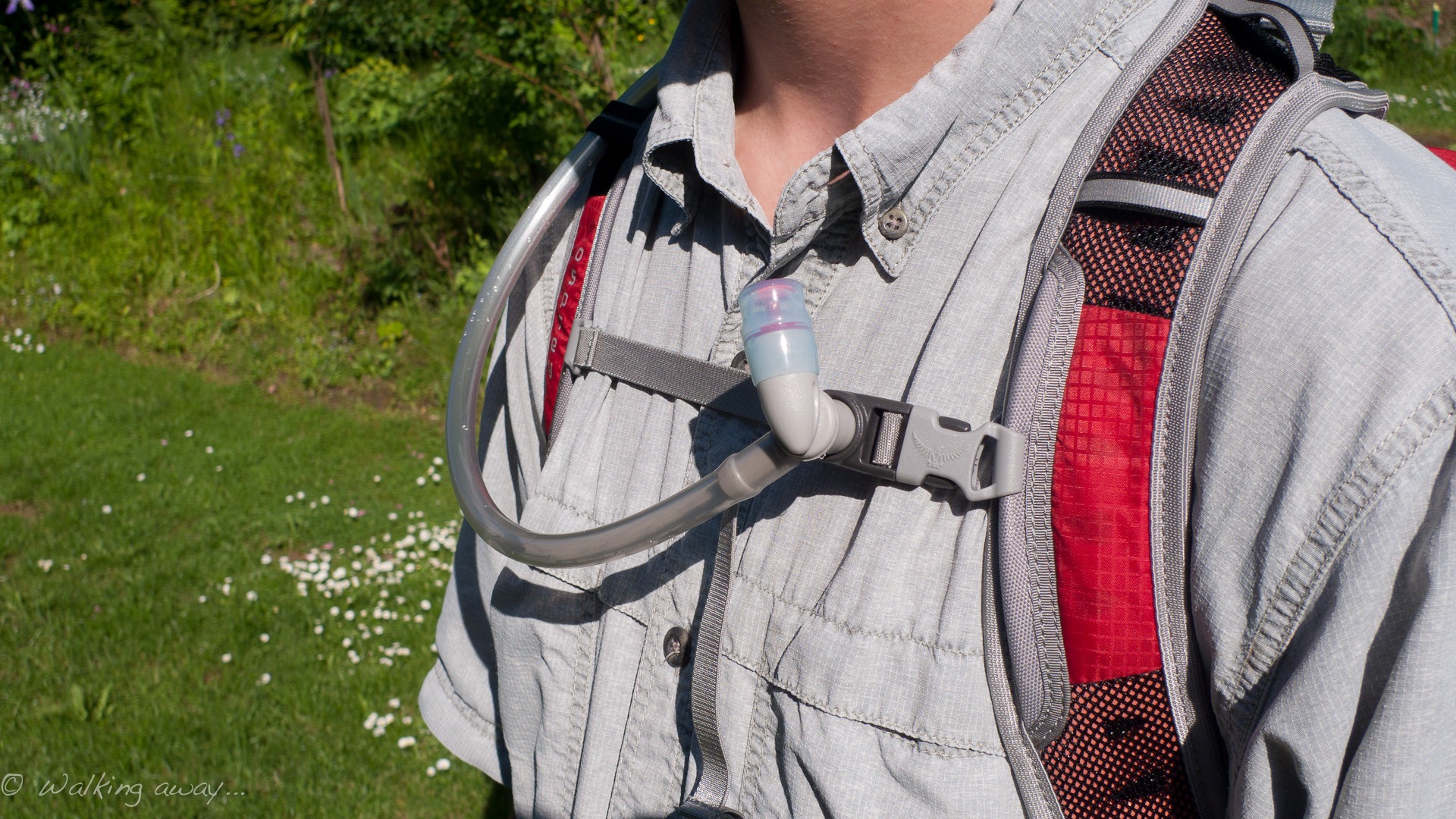 Probably the most interesting feature of the backpack is the integrated HydraForm hydration system. It has its own zipped compartment, from which the hose is routed out at the top. On the shoulder straps, the drinking hose can be threaded through one of the sewn-on loops and attached to the opposite strap with a magnet in the hose.
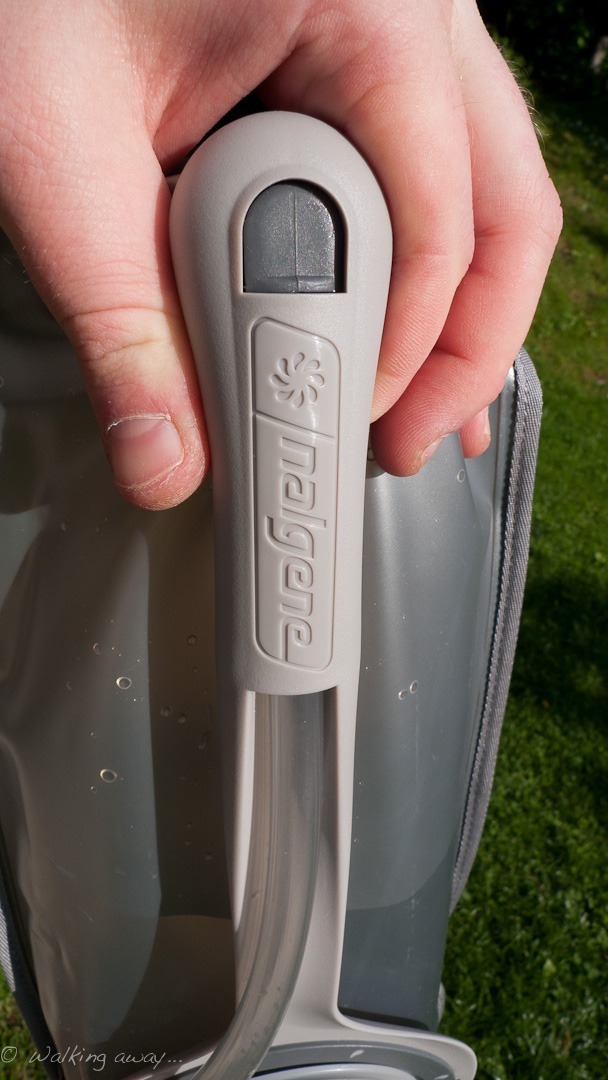
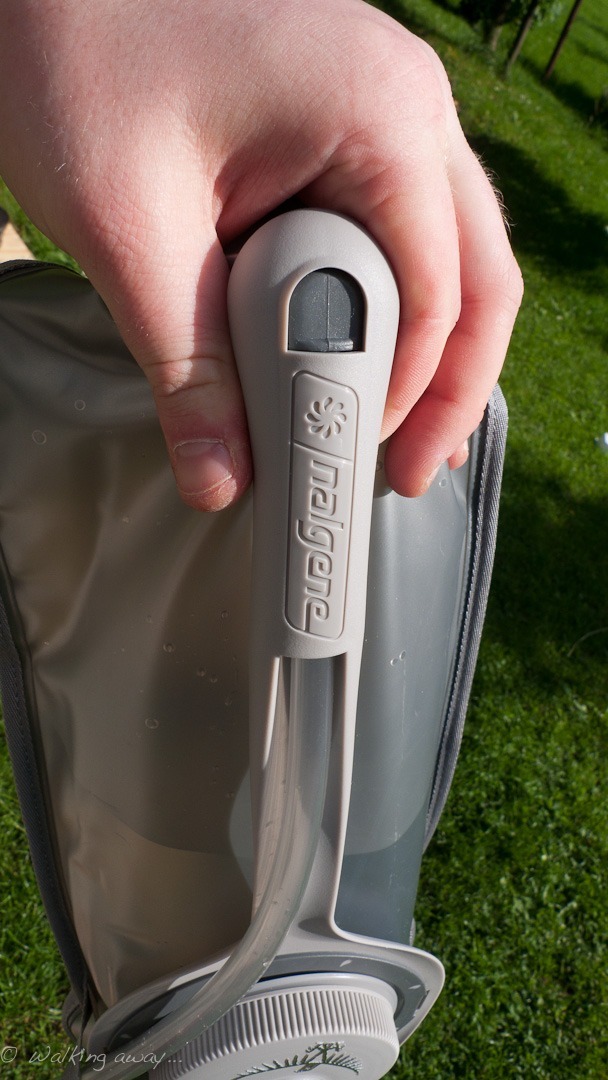
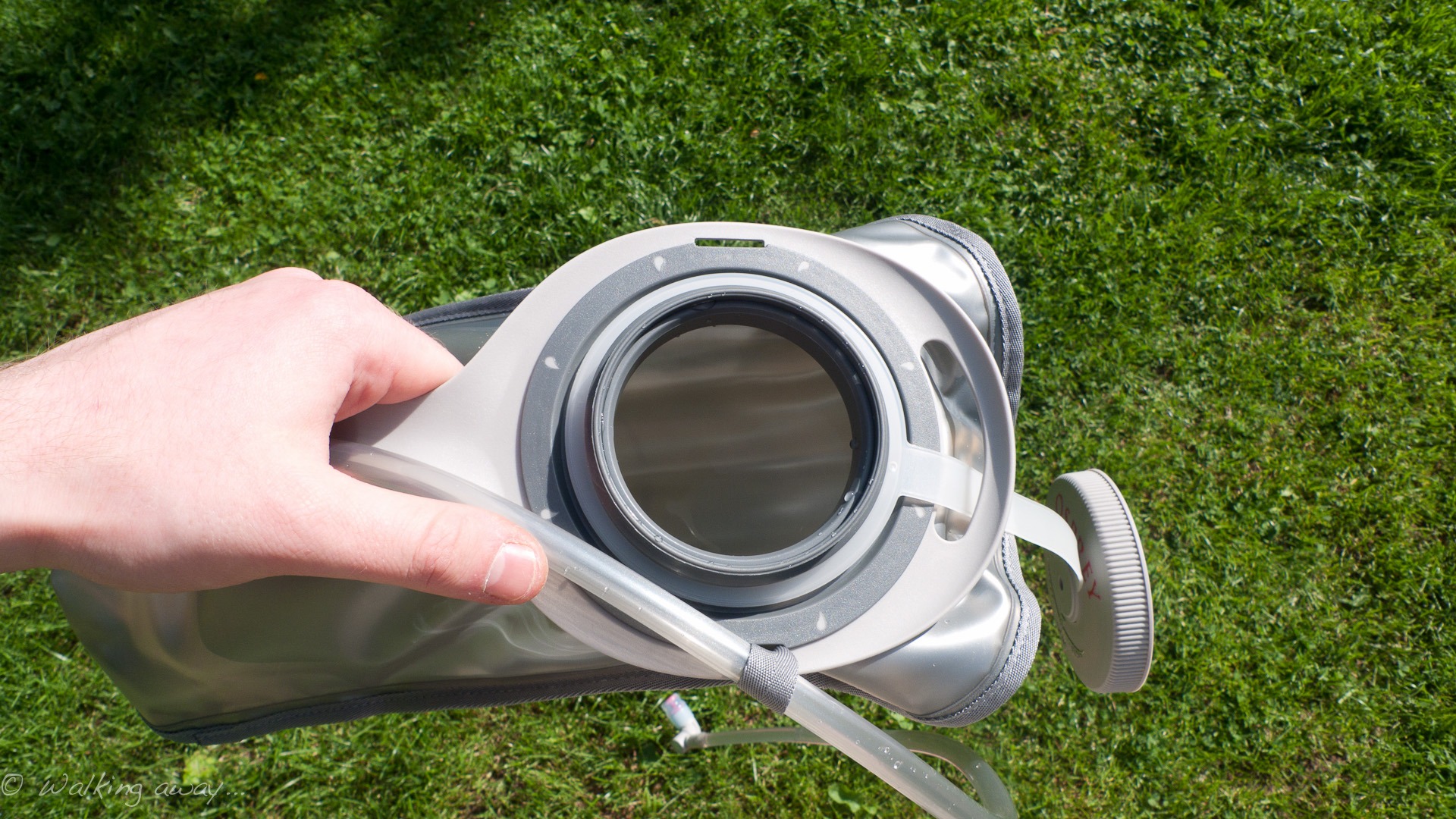
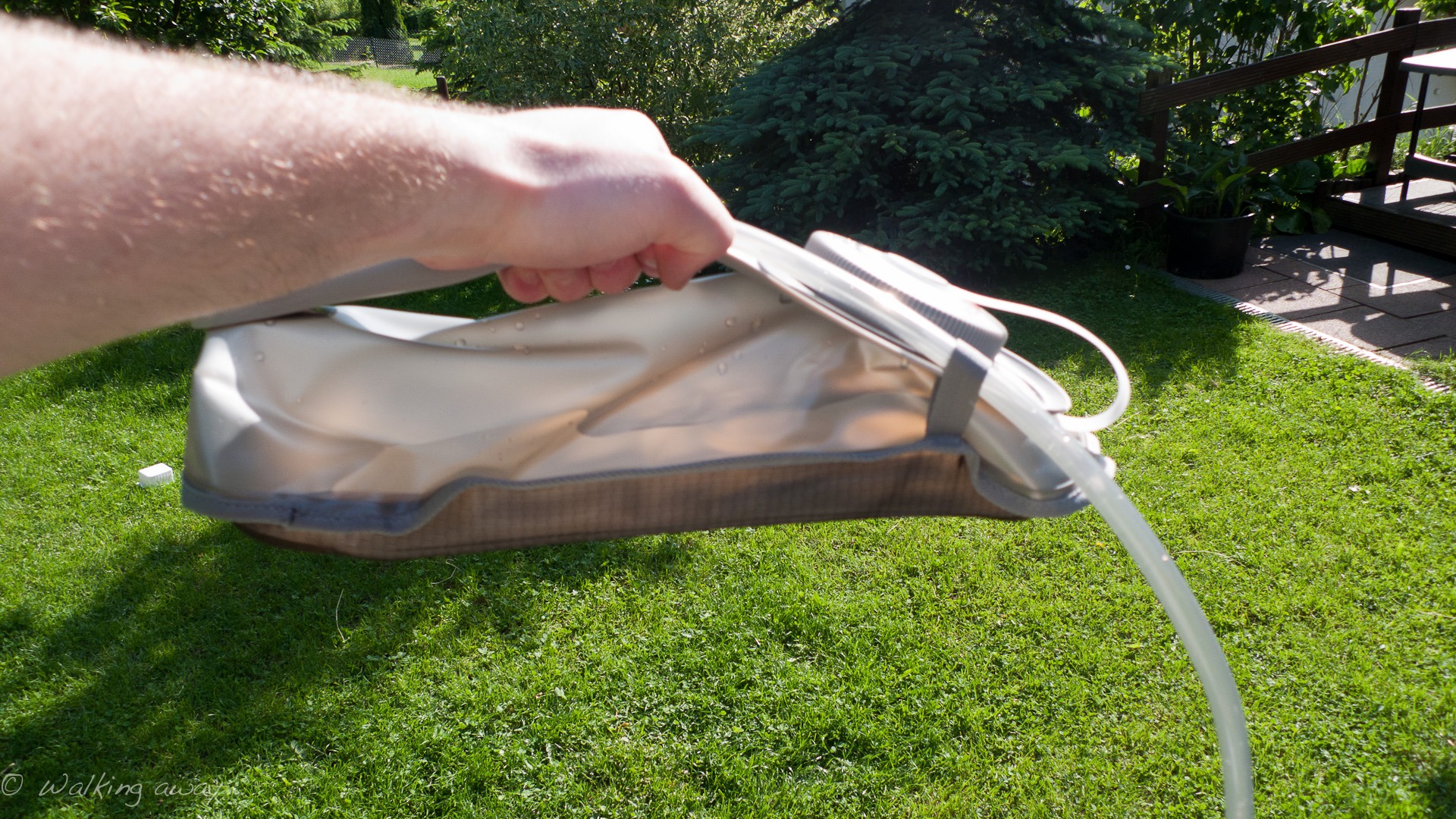 The big difference between the HydraForm hydration system and other hydration systems such as the CamelBak is its construction. Once the CamelBak is empty, it collapses. The HydraForm system, on the other hand, keeps its shape even when empty (although the volume does of course decrease as the amount of liquid goes down). Apart from that, the hydration system, developed in cooperation with Nalgene, offers a large opening for filling and cleaning the reservoir and a handy large grip.
Technical details of the Osprey Manta 30
from ospreypacks.com
- Volume: 27 L (S/M), 30 L (M/L)
- Weight: 1600 g (S/M), 1800 g (M/L)
- Load capacity:

Video of the Osprey Manta
Pictures of the Osprey Manta 30

Test and rating of the Osprey Manta 30
Over the last few weeks I used the Osprey Manta as often as possible to gain experience with the backpack. It accompanied me on several day hikes and was misused as an everyday companion on the way to work with a laptop inside. It was also used on a weekend trip along the almost 60 km Försterstieg in the Harz.
On the weekend trip I really didn’t have much with me – just the hydration system, poncho, sleeping bag and a sleeping pad. No spare clothes, no stove, only something to nibble on, but nothing that really takes up space. That wouldn’t have been possible anyway, because with a full hydration system the backpack doesn’t offer much more capacity. To be fair, of course, the backpack is not made for that.
The hydration system is a double-edged sword. It sits superbly in the backpack, and its rigid shape is very practical for filling, cleaning and packing into an already full backpack. Logically, the weight is higher than with other hydration systems. Another advantage of the hydration system is that, in my subjective opinion, it really is taste-neutral, which I can’t say of the Deuter Streamer and my CamelBak.
What I really like about the Osprey Manta, as with the Osprey Exos 46, is the great back ventilation. The “The North Face Borealis” could learn a thing or two from it, for example. The carrying comfort of the backpack also leaves nothing to be desired.
Verdict on the Osprey Manta
I like the backpack because it has lots of small, useful features that I can really get excited about. What I can’t get excited about? The rather high weight for a fairly small available volume. The Osprey Manta is certainly not for ultralight hikers! Nor is the backpack for “bottle drinkers”, as it is tailored to the integrated hydration system and therefore has no bottle holders / pockets on the side. Everyone else, though, gets a well-thought-out, practical daypack with very good carrying comfort and a hydration system that doesn’t leave a “bad aftertaste”.
Pros
- well-thought-out features
- high carrying comfort
- great back ventilation
- integrated rain cover
- Stow-on-the-Go™ attachment for trekking poles
Cons
- high weight
- low volume